I’ve been really excited to dive into the brands you’ve been submitting.
This is a collection of a few recent brand requests—offering a closer look at how they measure up, where they fall short, and thoughtful alternatives that are doing things more responsibly.
Because finding better options shouldn’t feel overwhelming.
The goal is simple: to make it easier to choose options that feel just as good to wear as they do to support.
Lets get into your requests…
Vuori
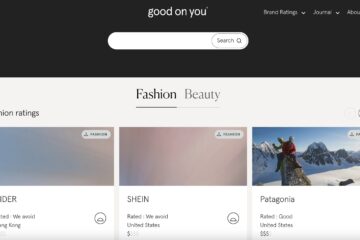
Rating: “Not Good Enough” (Good On You)
Vuori is known for its elevated, everyday activewear, but it provides limited transparency into its supply chain, including where products are made and under what conditions. There’s also no clear evidence of certifications or verified standards that ensure fair wages, safe working environments, or responsible production practices.
While the brand emphasizes comfort and versatility, there isn’t enough publicly available information to confidently support its ethical or environmental impact.
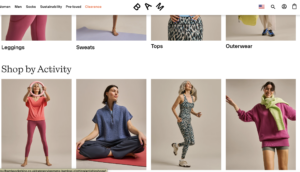
Try instead → BAM (click here to check them out)
BAM offers a similar elevated, minimal aesthetic but places a strong emphasis on lower-impact materials like bamboo and organic cotton, along with clearer communication around sourcing and production. Their pieces are designed for everyday wear and performance, making them an easy, like-for-like swap if you love Vuori’s feel but want more transparency behind it.
Lululemon
Rating: “It’s a Start” (Good On You)
Lululemon has taken steps forward, but still lacks full supply chain transparency and consistent, verifiable standards for fair wages and labor practices across all production.
In addition, most products rely on synthetic materials like polyester, which studies are showing can negatively impact our health through the absorption of microplastics while sweating in plastic-based clothing. While performance-driven, these fabrics also come with environmental tradeoffs—and without strong accountability across both materials and labor, the brand falls short of being considered truly sustainable.
Try instead → Bai Active
Bai Activewear blends performance and sustainability, focusing on more responsibly sourced materials and intentional production practices. The brand is rooted in creating activewear that feels good to wear and aligns more closely with environmental values—making it a strong alternative if you’re looking for similar function with more thoughtful impact behind it.
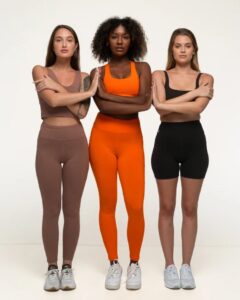
Calia
Rating: “Not Good Enough” (Independent Review)
Calia, sold through Dick’s Sporting Goods, was created with the intention of offering stylish and functional activewear—but currently lacks transparent reporting on its supply chain, factory conditions, and labor practices.
There are no widely recognized certifications or third-party verifications that confirm fair wages, safe working conditions, or environmental standards. Combined with a reliance on synthetic materials, it’s difficult to validate the brand’s sustainability claims beyond marketing language.
Try instead → Boldwill
Boldwill focuses on longevity, performance, and responsible production, creating pieces designed to last beyond seasonal trends. With a more intentional approach to how garments are made and sourced, it offers a similar athletic feel while prioritizing quality over quantity and long-term wearability.
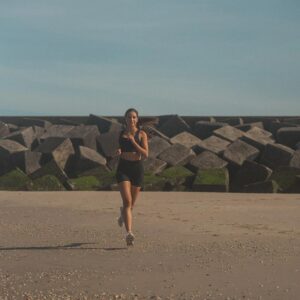
H&M
Rating: “It’s a Start” (Good On You)
H&M has introduced more “conscious” initiatives, but its overall model still relies on high-volume production with limited transparency across its full supply chain.
While some progress has been made, the brand does not consistently demonstrate enforceable standards for fair wages or safe working conditions across all suppliers, and its fast production cycles contribute significantly to waste.
Try instead → Lucy & Yak
Lucy & Yak offers bold, expressive pieces while maintaining a strong commitment to ethical production, transparency, and fair working conditions. Their focus on slower production and long-lasting design makes them a great option if you love style and individuality but want to move away from fast fashion cycles.
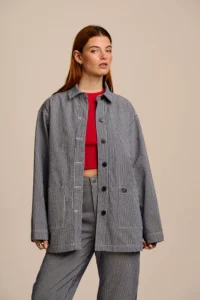
Böhme
Rating: “Not Good Enough” (Good On You)
Bohme shares that it prioritizes supporting women and safe working environments in some areas, but provides limited documentation or third-party verification to support those claims.
Additionally, the brand carries multiple labels where it has little to no control over supply chain practices, making it difficult to ensure consistent ethical or sustainability standards across all products.
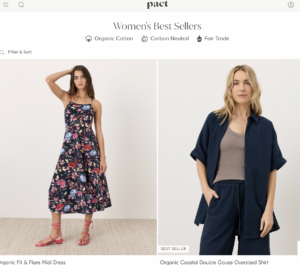 Try instead →
 Pact is a great option if you’re looking for something more affordable while still prioritizing better practices. The brand focuses on organic cotton, fair trade certified factories, and accessible everyday basics, making it an easy transition if you’re used to shopping more mainstream brands.
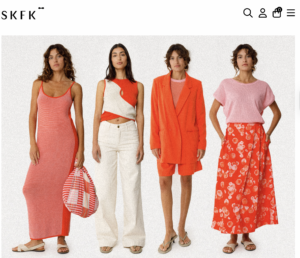
SKFK offers a more elevated, modern aesthetic while incorporating certified materials and transparent production practices. It’s a strong alternative if you’re looking for something more design-forward while still aligning with ethical standards.
A Final Thought
I’m really grateful for the brands you’ve been submitting.
This space only works because of that shared curiosity—wanting to know more, wanting to do better, and wanting options that actually feel aligned with your values and lifestyle.
You don’t have to get it perfect. This is simply about having better choices when you’re already looking—and knowing you have the ability to make small shifts that add up over time.
I’m really glad to be in this with you—to learn, question, and choose more thoughtfully together.
If you want to keep exploring, I’ve linked a few guides below that go deeper into alternatives:
- Athleticwear Alternatives Guide → a breakdown of brands doing performance wear more responsibly
- Everyday Basics Guide → simple, wearable pieces from brands prioritizing ethics and sustainability
And if there’s a brand you’re curious about, you can always submit it through the brand request form—I’ll keep building these out as a resource you can come back to.
Choosing good, together
-Bethany