If you’ve ever picked up a product labeled “eco-friendly” or “sustainably made” and wondered what that actually means — you’re not alone.
As more consumers begin caring about ethical production and environmental impact, brands have noticed. Sustainability has become a powerful marketing tool. And while many companies are genuinely trying to improve, others rely on vague language and aesthetic packaging to appear responsible without making meaningful changes.
This is where greenwashing comes in.
Understanding what it is — and how to recognize it — is one of the most important steps in shopping more intentionally.
What Is Greenwashing?
Greenwashing happens when a company markets itself as environmentally friendly or ethical without backing those claims with real action.
It often looks like:
-
Words like “natural,” “conscious,” or “green” without explanation
-
Earth-toned packaging and sustainability buzzwords
-
Highlighting one small “eco” initiative while ignoring larger harmful practices
-
Promoting a “sustainable collection” while the majority of production remains unchanged
Greenwashing isn’t always obvious. In fact, it’s often subtle — designed to make you feel reassured without giving you real information.
And that’s what makes it tricky.
Why Greenwashing Matters
When companies use sustainability as a marketing tactic instead of a genuine commitment, a few things happen:
-
Consumers are misled.
-
Truly ethical brands struggle to compete.
-
Harmful systems remain unchanged.
Greenwashing can make it harder to know which brands are actually making progress — and that confusion can lead to frustration or even apathy.
But awareness changes that.
Common Signs of Greenwashing
Here are a few red flags to look for when evaluating a brand:
1. Vague Language
If a brand claims to be “eco-friendly” but doesn’t explain how, that’s a warning sign.
Look for specifics:
-
What materials are used?
-
Where are products made?
-
Are factories named?
-
Are sustainability reports available?
Transparency is usually detailed.
2. No Evidence or Data
Ethical brands typically provide:
-
Supply chain information
-
Impact reports
-
Certifications
-
Clear goals and timelines
If a brand makes bold claims but offers no data or accountability, proceed with caution.
3. One “Green” Product Line
Some companies promote a small “conscious” collection while the majority of their business model remains built on overproduction and fast turnover.
A single sustainable line does not automatically make a company ethical.
4. Overemphasis on Aesthetic
Natural colors, leaves, and minimalist design can feel sustainable — but packaging alone doesn’t tell the full story.
Look beyond branding.
So How Do You Discern What’s Actually Ethical?
Greenwashing can feel discouraging, but it doesn’t have to make shopping overwhelming.
Here are a few ways to approach discernment calmly and thoughtfully:
Ask Specific Questions
Instead of asking, “Is this brand sustainable?” try asking:
-
Are workers paid fairly?
-
Is there transparency about factories?
-
Are materials responsibly sourced?
-
Does the company discuss long-term impact?
Specific questions lead to clearer answers.
Look for Transparency, Not Perfection
No brand is perfect.
But ethical companies are usually honest about:
-
Where they’re improving
-
What challenges they face
-
What they’re still working on
Transparency often signals integrity.
Use Third-Party Tools
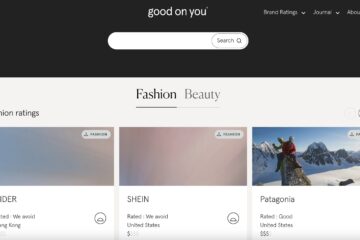
Platforms like Good On You can help evaluate brands based on labor, environmental practices, and transparency. While no tool is flawless, they can provide a helpful starting point when doing research.
Consider the Business Model
Even more important than one product is the overall system:
-
Does the brand release hundreds of new styles weekly?
-
Is the price point unrealistically low?
-
Is production built around constant consumption?
Often, the business model tells you more than the marketing copy.
Moving Forward Without Overwhelm
Learning about greenwashing can initially feel frustrating. It may make you question brands you once trusted.
But the goal isn’t perfection.
It’s progress.
The more we understand how marketing works, the easier it becomes to make thoughtful decisions. Even small shifts — asking one extra question, choosing one more transparent brand — begin to move demand in a different direction.
And when enough people begin doing that, industries respond.
Greenwashing exists because sustainability matters to consumers. That means your values already carry influence.
The key is learning how to use that influence wisely.
If you’ve been wanting to shop more intentionally but didn’t know how to filter through sustainability claims, this is a powerful place to begin.
Want to learn how to search for ethical brands backed by data & transparency? Read my blog about how to use Good On You’s brand rating tool + app!
Awareness leads to discernment.
Discernment leads to better choices.
Better choices, over time, create meaningful impact.
—
Good Maker Market exists to make that process clearer, calmer, and more approachable.
And we’re learning together.