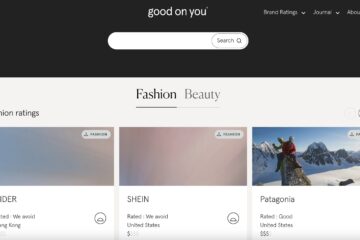
What we wear is something we don’t always think twice about.
But our clothing sits on our skin all day—making the materials we choose more important than we might realize.
Many everyday fabrics—like polyester, nylon, and acrylic—are forms of plastic. They don’t breathe the same way natural fibers do, and they can shed microplastics over time.
Choosing natural fibers isn’t about perfection.
It’s about awareness—and making small, more intentional choices when we can.
Why Choose Natural Fibers
Natural fibers like cotton, wool, and linen are:
- more breathable and comfortable
- gentler on the skin, no absorbing microplastics
- biodegradable and lower impact on the environment
They’re simple, time-tested materials that support both our bodies and the world we live in.
Three Fibers to Look For
1. Cotton
A familiar staple—but best when organically and responsibly sourced.
Brand to explore:
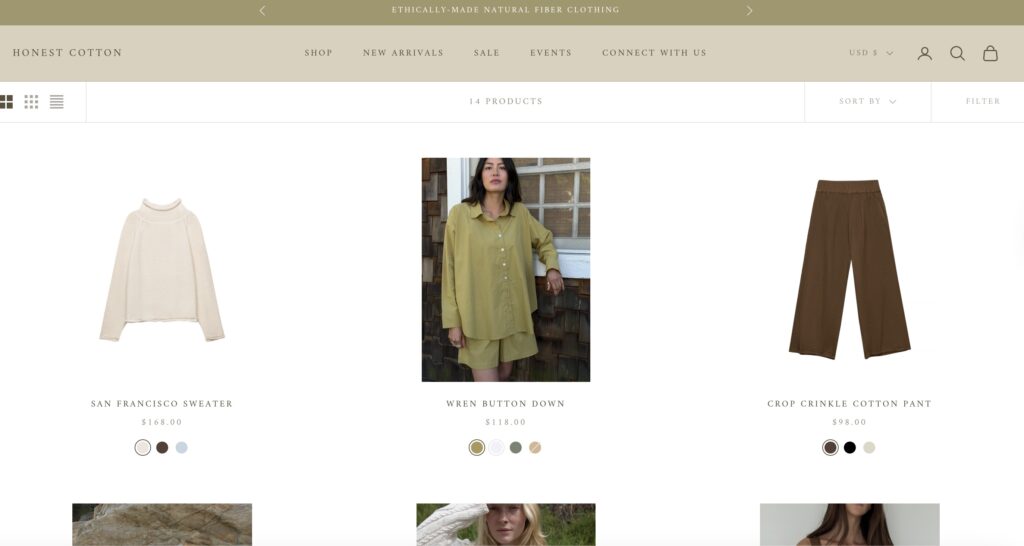
- Honest Cotton
Known for using organic cotton and focusing on ethical production, Honest Cotton creates everyday essentials that are softer on the skin and free from the harsh chemicals often used in conventional cotton processing. It’s a thoughtful alternative for building a foundation of natural fiber basics.
2. Wool
Especially powerful for activewear.
Unlike synthetic workout clothes, wool is naturally breathable, moisture-wicking, and temperature-regulating. It helps your body stay cool without trapping heat—so you’re not sweating in plastic.
It’s also odor-resistant, meaning fewer washes and longer wear.
Brand to explore:
- Estroni
An Australian brand focused on wool-based activewear, Estroni designs performance pieces using natural fibers instead of synthetic materials. Their approach highlights how movement and comfort can be supported without relying on plastic-based fabrics.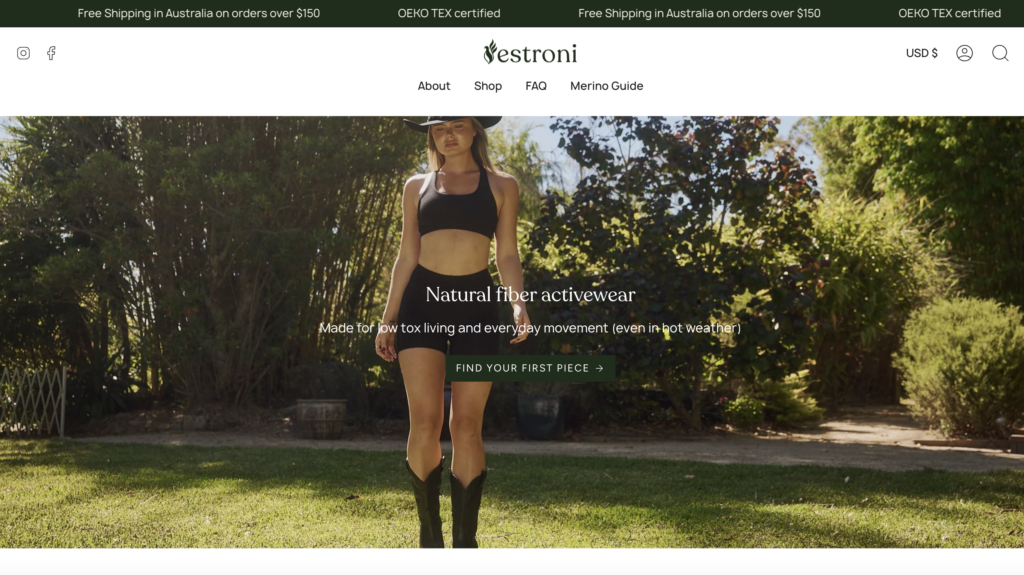
3. Linen
Lightweight, breathable, and made from flax—one of the most sustainable crops.
It uses less water, lasts for years, and softens over time.
Brand to explore:
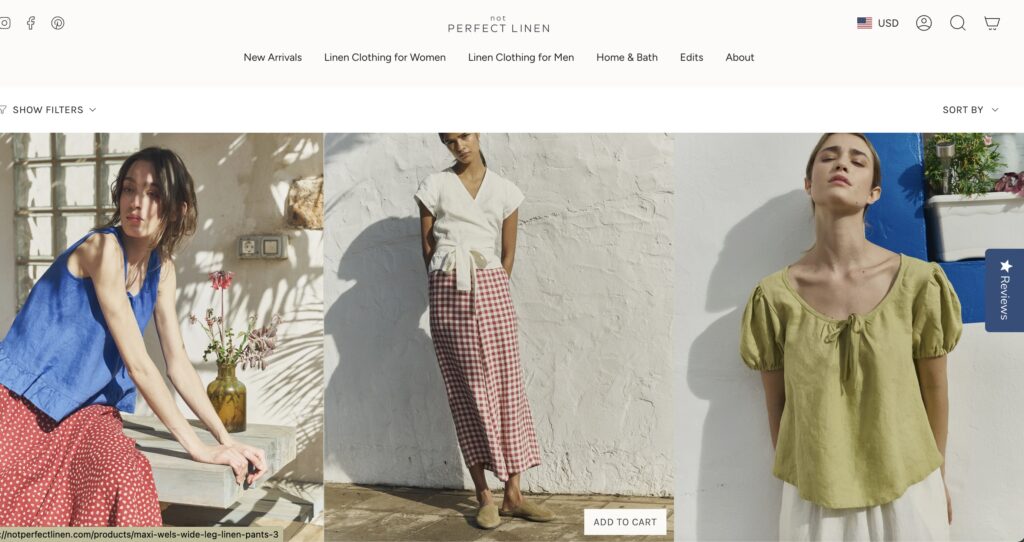
- Not Perfect Linen
Known for its made-to-order approach and use of 100% linen, Not Perfect Linen creates timeless pieces designed to last. Their focus on slow production (made-to-order) and natural materials makes them a strong alternative to fast, synthetic-based fashion.
How to Check Your Closet
Start with what you already own.
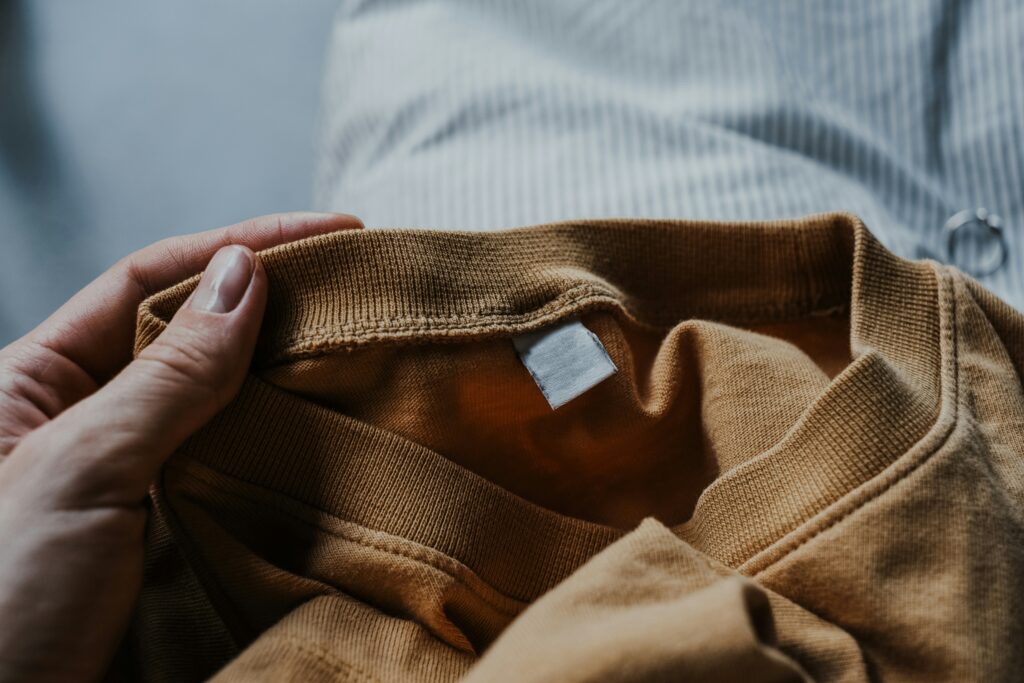
Look at clothing tags and watch for:
- polyester
- nylon
- acrylic
- elastane
These are all synthetic fibers (plastics).
Instead, look for:
- 100% cotton (ideally organic)
- wool (look for Merino)
- linen
Even one swap makes a difference.
Where to Begin
Start with the pieces closest to your skin:
- t-shirts
- underwear
- workout clothes
- sleepwear
These are the items you wear most—and the easiest place to shift toward natural fibers.
A More Intentional Wardrobe
This isn’t about replacing everything.
It’s about slowly choosing pieces that feel better, last longer, and align with how you want to live.
Because when we understand what we’re wearing—
we begin to choose differently.
If you are looking to take the next step to making more intentional swaps, read our previous blog on non-toxic cleaning brands and how to start one swap at a time. Or learn more about how to spot brands who claim they are sustainable, but may not have the proof to back it up by reading out guide, “What is Greenwashing?”.
Choosing good, together
– Bethany